
Sydney's ferries have been getting some love. The Fifth Estate recently ran a piece framing Sydney's harbour as a "safe harbour", an antidote to the dangers of private transport. It is part love letter to the city, part argument that moving people by water and rail beats moving them one car at a time. Easy to file under "one for the planners". It is not. Pieces like this are the mood music behind real policy, and the policy is transport oriented development: putting more homes, and therefore more building work, around stations, wharves and interchanges instead of on the car-dependent fringe. If you build in NSW, or anywhere that copies Sydney's homework, that shift lands directly on your pipeline, your site access and your quotes.
Transport oriented development is where the pipeline is heading
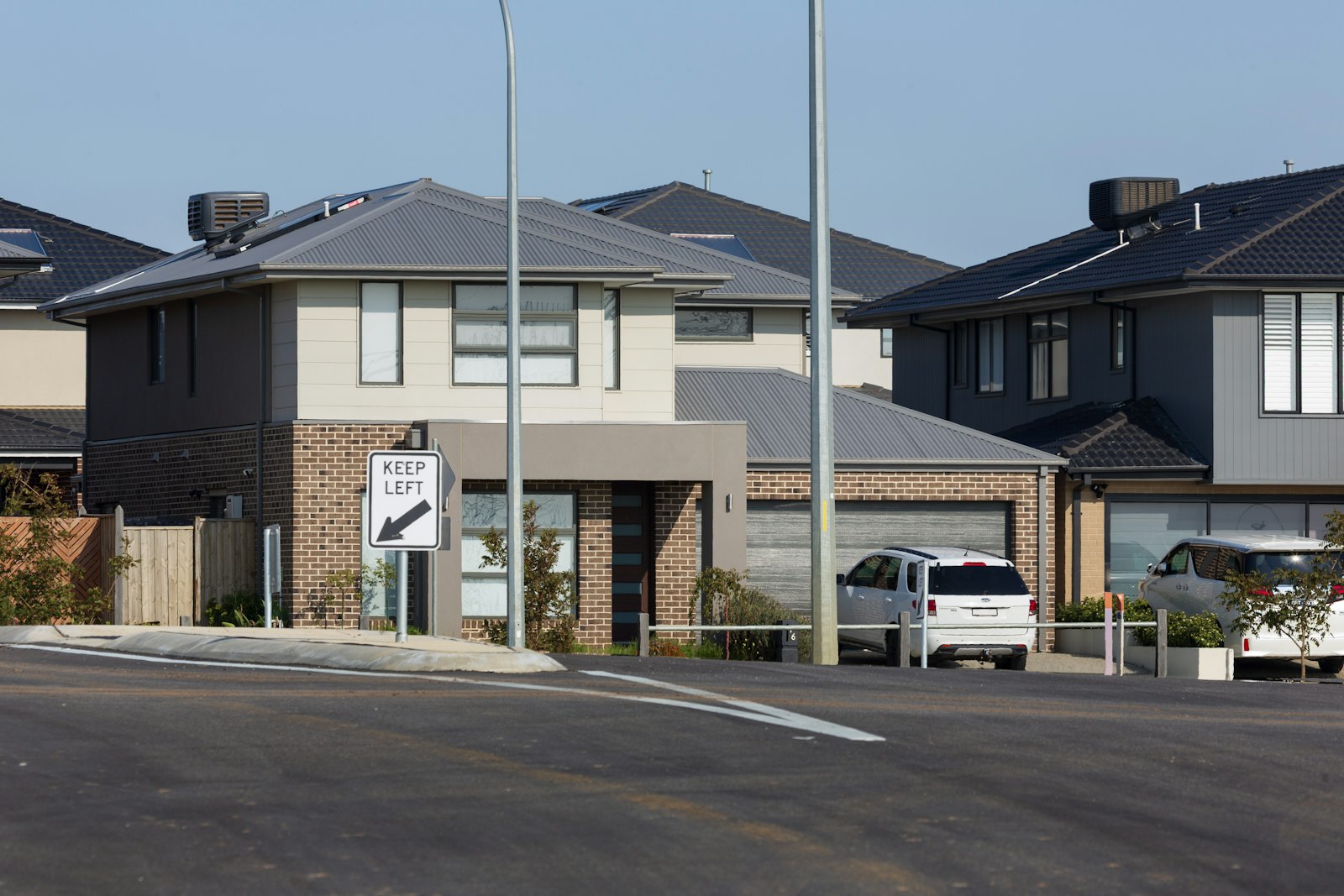
The NSW government has spent the past couple of years rezoning land around dozens of train and metro stations for more housing, and Victoria is running a similar play around its activity centres. Precinct lists and controls keep moving, so check the NSW planning portal for the current detail, but the direction has not wavered: more mid-rise apartments, terraces and townhouses near transport, fewer new estates an hour from anywhere.
For builders, that tilts the growth work towards:
- Infill and knockdown-rebuild on tight suburban blocks with neighbours over the fence
- Class 2 and class 3 work under the NCC, which in NSW also brings the Design and Building Practitioners Act into play, with registered practitioners and design compliance declarations
- Renovation and adaptation around established centres, where access is hard and storage space is harder
That is a different trade mix, a different compliance load and a different admin burden to a greenfield slab-and-frame job. The builders who get systems around it early will eat well.
Your ute is the most dangerous tool you own
Strip the poetry out of the Fifth Estate piece and it is an article about safety: the ferry as the calm alternative to the road. Builders should take that personally, because the road is where this industry actually gets hurt. Safe Work Australia's fatality data consistently shows vehicle collisions as the largest single cause of worker deaths in Australia, ahead of falls from height. For a tradie, the drive between jobs is work. Statistically, it is the riskiest thing most of us do all day.
The response is not catching a ferry to site with a nail bag. It is cutting the trips that never needed to happen:
- Batch supplier runs into one planned pickup instead of three panic ones
- Consolidate deliveries so the truck comes once, not four times
- Kill the site visits that only exist because nobody could see the latest photos, the current schedule or the up-to-date plans
That last one is a software problem, not a discipline problem. A shared job record the whole crew can see from their phones removes most "just driving over to check" trips. We compared the tools that do this well in our guide to the best construction project management software.
What car-light sites do to your quote
Precinct work near transport is car-light by design, and that changes costs in ways a template quote will not catch:
- Crew parking. Permit zones, clearways and paid parking near stations. Call it $20 a day per vehicle across a twelve week job and it is real money.
- Loading and lay-down. No spare land means traffic management plans, work zone permits and concrete pump or crane permits become genuine line items, with lead times attached.
- Deliveries. Tight windows and small hardstands mean more, smaller deliveries, each with a fee.
- Travel time. Paying a crew to sit in traffic is a cost. Price it or wear it.
There is upside too. Reduced parking minimums near transport can pull basement levels out of designs entirely, and losing a basement removes one of the wettest, slowest, most dispute-prone stages of a build. It also changes what you are tendering for, so read the drawings with that in mind.
If you are quoting this work from a spreadsheet, these are exactly the costs that leak. Build them into a reusable cost library as named line items, not a vague margin fudge. Our rundown of the best construction estimating software covers tools that make that repeatable.
Three moves worth making now
- Watch the rezonings near you. Council notices and the state planning portals tell you where mid-rise work will land two years before the cranes do. That is your window to build relationships with the developers and certifiers working those precincts.
- Build a tight-site cost library. Traffic management, permits, parking, delivery fees, travel time. Once they exist as line items, quoting infill stops being a guess.
- Measure your windscreen time for a week. Every trip, every reason. Most crews find a scary chunk of it is avoidable admin on wheels.
Sydney's harbour might be the poetic version of the story, but the plain version matters more: Australia is slowly rebuilding its cities around transport instead of traffic, and the building work is following. The free Built Simple app is a decent first step towards fewer wasted trips, with 45 construction calculators in your pocket on iOS and Android, no signup needed. Download it, run your next take-off from the ute, and save the driving for the trips that pay.




