
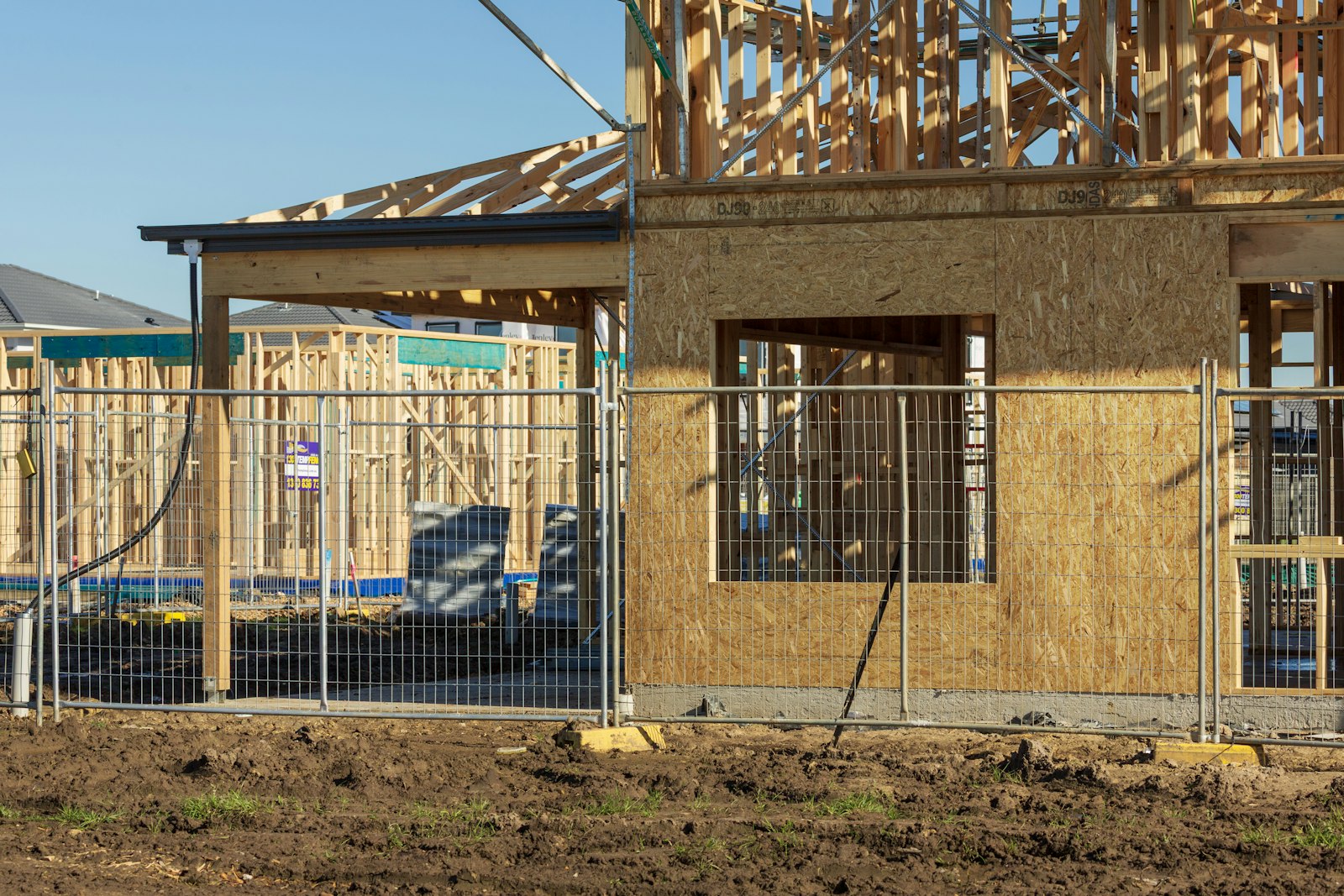
TL;DR: The 7 star energy rating Australia now works to came in with NCC 2022, lifting new houses from 6 stars to 7 stars NatHERS and adding a second, separate test called Whole of Home. The star rating measures the building shell only, in megajoules of heating and cooling load per square metre per year. Whole of Home measures the fixed appliances, hot water, lighting and any solar you put on the roof, against an annual energy budget. Glazing does most of the work and most of the damage to your budget. Insulation, thermal breaks and sealing do the rest. The real added cost per build depends almost entirely on what your old standard spec was, so the useful number is the one your own supplier quotes, not a national average. Get the NatHERS assessment done at design stage, because a 6.6 star result after the plans are signed off means redrawing, not reordering.
If you have quoted a house in the last two years and had the energy report come back short, you already know what the 7 star energy rating Australia moved to under NCC 2022 does to a job. It is not a small tweak to the insulation schedule. It changed the glazing spec, the wall build-up, the hot water unit, and in a lot of cases the window sizes on the north and west elevations. And unlike most code changes, it lands twice: once on the shell through the star rating, and again on the equipment through the Whole of Home budget. Builders who treat it as one test get halfway and stop.
Why the standard moved from 6 to 7
Six stars had been the national residential benchmark since 2010. Over a decade, the building fabric got better in a patchy way, the appliances got much better, and the gap between a house that just passed and a house that actually performed got wide enough to be embarrassing.
The 7 star change is the shell half of that fix. The rough shorthand, and it is shorthand, is that going from 6 to 7 stars cuts the modelled heating and cooling load by around a quarter. The Whole of Home provisions are the other half, and they are the part nobody talks about at the pub even though they are where the cheap compliance sits.
What matters on the ground is that the two tests behave differently. Stars are earned by spending money on the building, once, permanently. Whole of Home points are earned by choosing better equipment and adding solar, which is cheaper per unit of compliance and easier to change late. A builder who understands that difference prices these jobs better than one who does not.
7 star energy rating Australia: what the rules actually say
The residential energy efficiency provisions sit in Section 13 of NCC 2022 Volume Two for Class 1 and Class 10 buildings, which covers houses, granny flats and sheds, and in Section J for Volume One buildings including apartments. There are three compliance paths for a house:
- The NatHERS path. An accredited assessor models your plans in approved software and you need a minimum 7 star thermal performance rating, plus a pass on the Whole of Home assessment.
- The elemental path. Prescribed insulation R-values, glazing performance figures and sealing requirements, met without software. Legitimate, tighter, and less forgiving of a design that wants a lot of glass.
- A performance solution. Verification by modelling, signed off by your building surveyor.
Most residential work goes the NatHERS route, because a certificate is wanted anyway and because the software lets you trade a weak elevation off against a strong one. The NCC is free to read at ncc.abcb.gov.au, and you should read the clause for your volume rather than a summary, this one included.
Adoption dates are the trap. NCC 2022 was adopted on different dates in different states and territories, several ran a transition period on the energy efficiency provisions specifically, Western Australia ran the longest one, and New South Wales handles all of this through BASIX rather than a direct NatHERS star requirement. The edition and the variation that apply to your job are the ones in force in your state when the permit or approval issued. Confirm that with your surveyor rather than working from what applied on your last job. We have written more broadly about why NCC changes should not be a compliance surprise, and this is the clearest example of why.
NatHERS basics: what a star band is actually measuring
NatHERS is the Nationwide House Energy Rating Scheme, administered federally and documented at nathers.gov.au. Accredited software (AccuRate Sustainability, BERS Pro, FirstRate5 and HERO) takes your plans, orientation, glazing schedule, construction types and shading, and calculates the heating and cooling energy the building shell would need across a typical year. That number, in MJ per square metre per year, is converted to a star band from 0 to 10.
Three things about that which matter on site:
It rates the shell, not the house. Your split systems, your hot water unit, your lights and your solar array contribute nothing to the star rating. That is what Whole of Home is for.
NatHERS climate zones are not NCC climate zones. The NCC works in eight climate zones. NatHERS works in 69, tied to weather files. So two sites in the same NCC zone can model differently, and a plan that hit 7 stars in one suburb can come back at 6.8 in another. Reusing a rating across a repeat design is not safe.
Orientation and glazing area are modelled, not assumed. Mirror a floor plan on a different block and the rating changes. This is the single most common reason a volume plan fails on one lot and passes on the next.
Whole of Home: the second budget, and where the trade-offs live
Whole of Home sets an annual energy use budget for the dwelling and counts the fixed stuff against it: heating and cooling equipment, hot water, fixed lighting, pool and spa pumps where present, and a credit for on-site photovoltaics. It is reported as a score in the rating software against the budget the code sets. Check the pass figure in the clause and in the assessor's report rather than quoting one from memory, because this is the number builders most often have wrong in a conversation with a client.
The practical consequences are worth knowing before you price:
- A heat pump hot water unit is usually the cheapest compliance you will buy. Hot water is a large share of the budget and swapping an electric resistance or low-efficiency gas unit for a heat pump moves the number a long way for a few thousand dollars.
- Split system efficiency is a spec, not a brand preference. The zoned ducted unit the client wants may cost you Whole of Home points that then have to be bought back in glazing.
- Solar counts. A modest PV array can carry a dwelling over the line and is cheaper per unit of compliance than upgrading a window schedule.
That last point is the one to think about carefully rather than just act on. PV helps the energy budget. It does nothing for comfort, it does nothing for the star rating, and it does not stop a west-facing bedroom being unliveable in February. There is a version of compliance that passes both tests and still produces a house the owner complains about.
Glazing is the biggest single lever, and the biggest bill
If a job is short on stars, the windows are almost always why. Rough total-window U-values, and you must confirm the certified figure for the actual product rather than these:
- Single clear glass in a standard aluminium frame: roughly 6.5 to 7.3 W/m²K
- Double glazed in a standard aluminium frame: roughly 4.0 to 4.6
- Double glazed in thermally broken aluminium: roughly 3.0 to 3.7
- Double glazed in uPVC or timber: roughly 2.3 to 3.0
Australian windows carry rated performance figures through the AFRC and the Window Energy Rating Scheme, so the numbers are available per product. Ask the supplier for the U-value and the solar heat gain coefficient of the exact configuration you are ordering, not the range from their brochure.
The SHGC is where builders get caught out. Low-E coatings cut heat gain, which is what you want on west glass in Perth or Adelaide. Put the same blanket low-E spec on the north-facing living room glazing of a Melbourne or Hobart house and you have thrown away the free winter heat the rating was counting on, then have to find those stars somewhere else. Glazing is specified elevation by elevation, not house by house. An assessor who is given the plans early will tell you exactly which openings to spend on.
Insulation, thermal bridging and the wall that has to hold it
Stepping up from 6 to 7 stars usually pushes ceiling insulation into the R6 to R7 range in the cooler zones and pushes wall insulation past what fits comfortably in a 90 mm stud cavity. That is a framing decision as much as an insulation one. AS 1684 governs your member sizes, spans, tie-downs and bracing, and it says nothing at all about R-values, but moving to 140 mm studs to fit a thicker batt is an AS 1684 conversation about spans and bracing that has to happen before the frame is ordered.
The other items on this list cost little and get forgotten:
- Thermal breaks on steel framing. A steel frame conducts straight through the insulation layer. NCC 2022 is explicit about breaks.
- Slab edge insulation in the cooler zones, particularly with in-slab heating.
- Sealed, insulation-rated downlights so the ceiling batts can be laid continuously instead of having a hundred holes cut around them.
- Insulation that is actually installed properly. A batt compressed behind a pipe or left short at the top plate is not the R-value on the certificate. This is the gap between the rated house and the built house, and it is entirely a supervision problem.
Building sealing: the cheapest stars on the job
NCC 2022 tightened building sealing: construction joints, gaps around windows and doors, ceiling penetrations, exhaust fans with dampers or self-closing devices, and sealing around service penetrations. There is no blanket requirement for a blower door test on a standard house, but if the assessor claims a better air permeability than the software default to get you across the line, that claim has to be backed by a test.
Sealing is the best value work on the whole list because the materials are cheap and the labour is a tube of sealant and an hour. It is also the first thing dropped when the job is behind, and nobody can see it once the plaster is on.
What it actually costs to build to 7 stars
Here is the honest position. The ABCB's regulation impact analysis for the change put the average additional capital cost per dwelling in the low thousands of dollars. Industry bodies argued through consultation that the real figure was several times that. We are not going to pick a number between the two, because the number that matters is not a national average, it is yours, and it hinges almost entirely on what your previous standard spec was.
Work it out this way instead. Price the same plan twice: once with your old inclusions, once with the spec the assessor's report calls for. The delta is your real number. For a builder already doing double glazing, R6 ceilings and a heat pump, the delta can be close to nothing. For a builder whose standard house was single glazed aluminium, R4 ceilings and an electric storage unit, it is a serious line item and it is concentrated in the window order.
Three things to get right in the quote:
- Do not absorb it. This is code, on every applicable job, not an upgrade. It belongs in the build cost the way the frame does.
- Price the assessment itself. The NatHERS assessment, and a re-run if the design changes, is a fee. So is a performance solution if you need one.
- Residential quotes to homeowners are presented GST inclusive. If you are pricing the glazing uplift off trade rates, make sure it carries through rather than getting rounded away in an allowance.
The way you describe the change to the client matters too. "The code changed and your old window spec is no longer legal" is an easier conversation than an unexplained increase, and we have written about what the industry's language around sustainability does to your quotes when it goes the other way.
Get the assessment early, or pay for it twice
The expensive version of this job is: plans finalised, permit lodged, assessment run, result comes back at 6.6, and now the north glazing has to shrink, the west window has to change product, and the drawings have to be reissued. Everyone who has already quoted off those drawings re-quotes.
The cheap version is a preliminary rating on the concept, before the plans are fixed. An assessor can tell you in a morning that the west glass is too big and the ceiling needs R6 rather than R5, at which point it is a pencil change. Orientation, glazing area and eave depth are nearly free at concept stage and very expensive at permit stage.
This applies to secondary dwellings as well. A new granny flat is generally a Class 1a building and carries the same requirements, which surprises people who are treating it as a shed with a kitchen. We have run the numbers on what a granny flat actually costs to build in Australia, and the energy spec is a real part of it now.
Frequently asked questions
Does 7 stars apply to renovations and extensions?
Generally the new work has to comply, and the scope depends on your state's building regulations and how your surveyor assesses the job. An extension with substantial new external fabric will be looked at properly. A small addition may be handled differently, and several states have their own provisions for alterations. Ask the surveyor at permit stage. Assuming the answer is the single most expensive assumption available here.
Can a house pass at 7 stars and still fail the code?
Yes, and this catches people. The star rating and the Whole of Home assessment are separate requirements. A beautifully detailed shell rating 7.4 stars with an electric resistance hot water unit and no solar can fail the energy budget. Both have to pass.
Is the NatHERS path or the elemental path cheaper?
It depends on the design. The elemental path avoids the assessment fee and suits a simple, well-oriented house with modest glazing. The NatHERS path lets you trade a weak elevation against a strong one, which is usually worth more than the fee on anything with a lot of glass or an awkward orientation. On most contemporary designs, NatHERS wins.
How does this work in New South Wales?
New South Wales runs residential energy through BASIX rather than applying a NatHERS star minimum directly, and BASIX was updated to lift its thermal performance and energy targets in line with the national change. The mechanism differs, the direction is the same. Confirm current BASIX targets with your certifier, because they have moved.
What happens if the built house does not match the rating?
The rating is issued against the documented specification. Substitute a cheaper window, skip the slab edge insulation, or let the insulation get installed badly, and the certificate on file no longer describes the building. That is a compliance problem at occupancy certificate stage and a defect exposure afterwards, well inside the domestic building warranty period in every state. Keep the assessor's certificate, the window order confirming U-value and SHGC per elevation, the insulation delivery dockets, and photographs of the batts installed before the plaster goes on. If those live across three phones and a group chat, you do not have a record.
The short version
Find out which edition and which state variation apply to the permit. Get a preliminary NatHERS assessment on the concept, not the final drawings. Spend the glazing money elevation by elevation on the assessor's advice rather than blanket-specifying low-E. Fit the insulation the wall can actually hold, break the thermal bridges, and seal the building properly because it is the cheapest compliance on the list. Treat Whole of Home as a second, separate test and buy the easy points there with a heat pump and solar before you buy hard ones in the window schedule. Then photograph what you built.
The Built Simple app is free on iOS and Android, with all 45 calculators on your phone and no signup needed, so you can check a number standing on the slab. Have a play with the stair calculator to see how they work. If you want somewhere to file the assessor's certificate, the window order and the insulation photos against the job they belong to, the free plan gives you a project to run end to end.




